
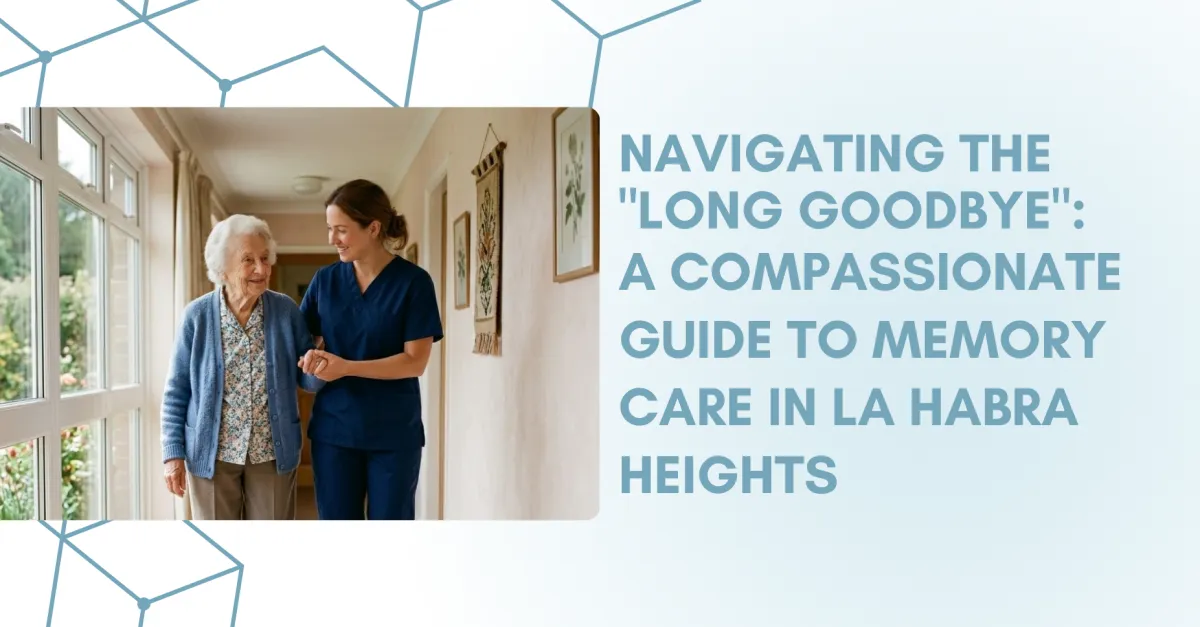
Navigating the "Long Goodbye": A Compassionate Guide to Memory Care in La Habra Heights
Introduction: Honoring the Person Within the Fog
A diagnosis of Alzheimer’s or dementia marks the beginning of what many families call "The Long Goodbye." It is a journey that transforms loved ones into caregivers, navigators, and protectors overnight. The weight of this responsibility is staggering, often leaving families to wonder how to best support someone whose reality is shifting.
In memory care, the goal should never be to simply "warehouse" a senior in a locked ward. Instead, the focus must be on finding an environment that honors the person they still are, even when memories fade. At The Heights Inn, we believe that providing true memory care requires a "soft touch"—an approach that prioritizes dignity, emotional safety, and a familiar, home-like atmosphere over clinical isolation.
When is "At Home" No Longer Safe?
Many families in Southern California struggle with a profound sense of guilt when considering moving a parent or spouse out of their lifelong family home. There is a deeply ingrained cultural desire to honor a loved one's wish to "age in place." However, as memory loss progresses, there is a hidden danger: "aging in place" can slowly and quietly morph into "isolating in place." When the familiar four walls of a home become a source of confusion rather than comfort, staying put is no longer the most compassionate option. Recognizing the transition point is vital for the safety of the senior and the health of the family. Here are the critical, non-negotiable signs that professional memory care has become the safer, more loving choice:
The "Sundowning" Effect and Sensory Overload
Does your loved one experience a dramatic shift in personality as the sun begins to set? Sundowning is a neurological phenomenon where a person with dementia becomes significantly more agitated, confused, or even combative as evening approaches.
In a standard home setting, the shadows of twilight, the glare of artificial lights, and the "busy-ness" of the household can trigger intense fear. Professional memory care environments are specifically designed to mitigate this. By using specialized lighting, consistent routines, and calming visual horizons—like the quiet hills of La Habra Heights—we can soothe the nervous system and reduce the "fight or flight" response that defines the evening hours.
Wandering, Elopement, and "Exit Seeking"
One of the most terrifying moments for a caregiver is looking up and realizing the front door is ajar. Wandering is not just "going for a walk"; it is a disoriented search for something or somewhere that no longer exists in the resident's mind.
Once a loved one has "eloped"—meaning they have left the safety of the home and forgotten how to return—the risk of a tragedy involving traffic, weather, or dehydration becomes too high to manage in a traditional residence. A secured residential environment provides the "freedom of movement" seniors crave, allowing them to walk through gardens and common areas safely, without the danger of reaching a busy street.
Chronic Caregiver Burnout: The "Invisible" Risk
We often focus solely on the senior's health, but the primary caregiver's health is just as critical. If you find yourself losing sleep, missing work, neglecting your own medical appointments, or feeling a growing sense of resentment, you have reached the point of caregiver burnout.
When a caregiver is physically and emotionally depleted, they can no longer provide the high-quality, patient care their loved one deserves. It is a hard truth to swallow, but sometimes the best way to be a daughter, son, or spouse again is to stop being the 24/7 nurse and security guard. Transitioning your loved one to a boutique facility isn't "giving up"—it is a strategic act of love that restores the relationship for both of you.
The Residential Advantage for Memory Care
Traditional "Memory Care Units" in large facilities can be overstimulating. Bright fluorescent lights, loud paging systems, and dozens of people moving around can trigger "catastrophic reactions" in those with Alzheimer's.
In a residential setting like The Heights Inn, we use the environment as a tool for calm:
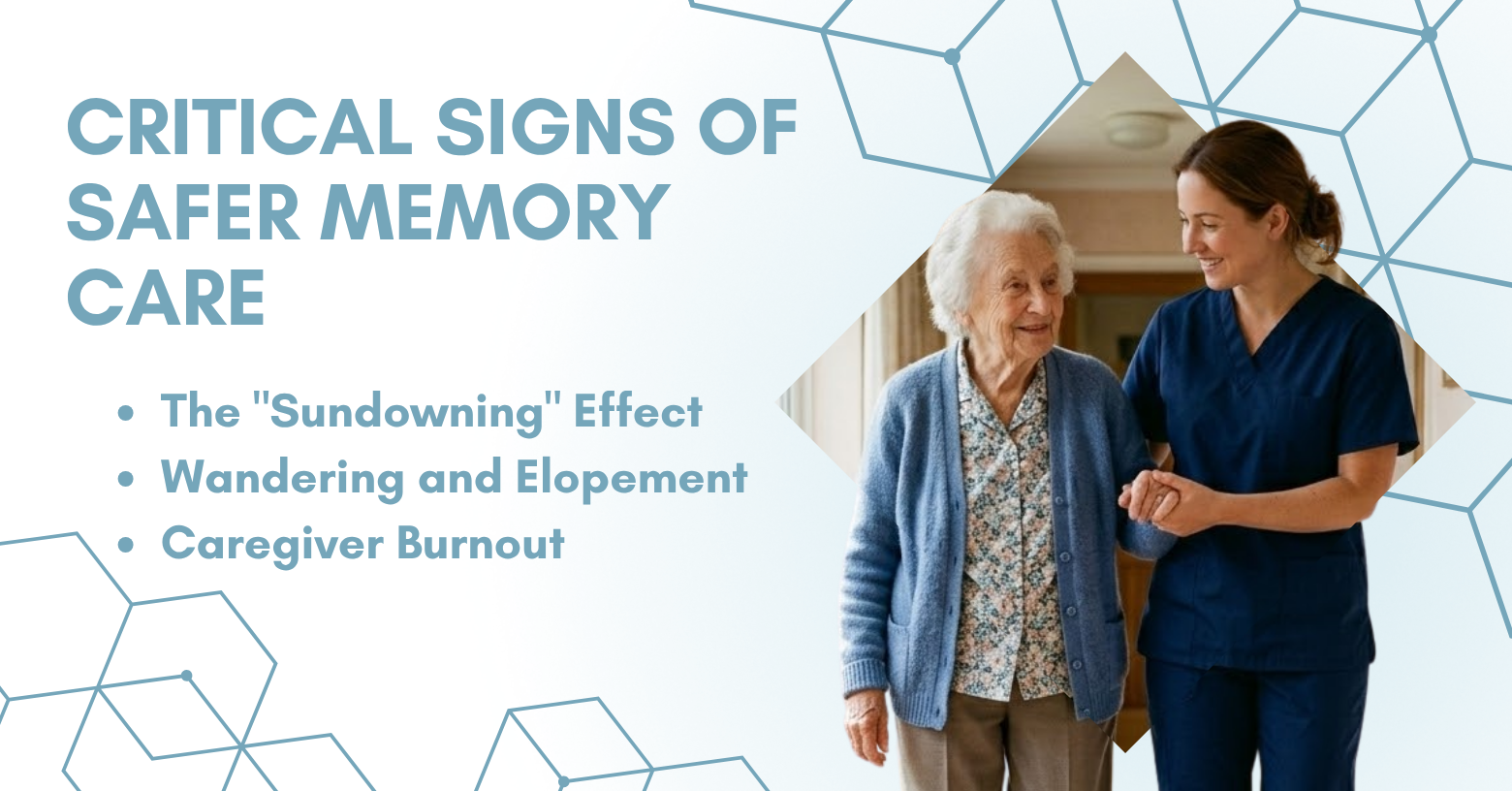
Panoramic Serenity: Our location in La Habra Heights offers sweeping, quiet views. Nature is a natural sedative for the nervous system.
Consistent Faces: Memory is fragile. Seeing the same caregiver every day builds a "feeling of safety" even if the resident cannot remember the caregiver's name.
Sensory Engagement: Instead of "activities" on a calendar, we engage in "life moments." Folding laundry together, shelling peas, or listening to music from their youth—these tactile experiences tap into long-term "muscle memory."
Creating a "Failure-Free" Environment
At The Heights Inn, our goal is to eliminate the frustration that comes with memory loss. We do this through:
Visual Cues: Using high-contrast colors and clear pathways to help residents navigate their space independently.
Nutritional Support: Dementia can affect the ability to eat. We provide nutrient-dense, "finger-food" options for those who struggle with utensils, ensuring they maintain weight and health without the stress of a formal dinner.
Validation Therapy: We don't "correct" our residents. If Maria believes she needs to get ready for her nursing shift in 1974, we don't argue with her. We join her in her reality, providing comfort and redirection that preserves her dignity.
Supporting the Family
We know that the transition to memory care is a grieving process for the family. You are losing the version of your parent you once knew. Our staff doesn't just care for the resident; we support the family. We provide regular updates, coordinate with physicians, and offer a shoulder to lean on during the difficult days.
Conclusion
Your loved one doesn't need a clinical ward; they need a home where they can still feel the sun on their face and hear the comforting sounds of a kitchen at work. At The Heights Inn, we specialize in the nuances of memory care, providing the security of a top-tier facility with the warmth of a family home. Your loved one is still in there—and we are here to help them shine.
Don't navigate this journey alone. Contact The Heights Inn today for a compassionate consultation about our boutique memory care services.

Facebook
Instagram