
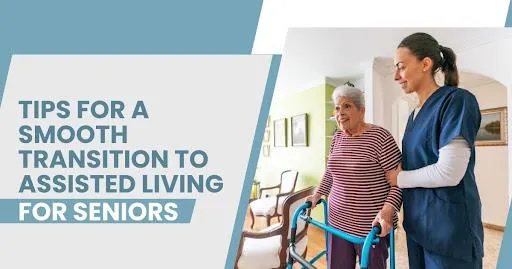
Tips for a Smooth Transition to Assisted Living for Seniors
Moving to assisted living can be a big change for seniors and their families. The transition to a new living situation can feel overwhelming at first. However, with the right planning and support, this change can be easier to handle. In this post, we will share helpful tips to make the process smoother for everyone involved.
If you or a loved one is considering shifting to assisted living, these suggestions can help. At The Heights Inn, we understand the challenges of adjusting to assisted living and want to make the experience as comfortable as possible. Let’s explore how to ensure a smooth transition to assisted living.

1. Plan for a Smooth Transition
One of the most important steps in moving to assisted living is planning. Starting the process early allows both seniors and their families to prepare mentally and physically for the change. Begin by researching various assisted living options. You may want to look into assisted living La Habra or nearby areas, which offer a welcoming environment for seniors.
When you plan, you have time to gather necessary information and make thoughtful decisions about the move. Discuss what is most important to the senior, such as location, amenities, or social activities. Making a list of priorities will help ensure the new living situation meets their needs.
2. Get Familiar with the New Environment
Before shifting to assisted living, take a visit to the facility. If possible, spend some time walking around and getting familiar with the space. This helps seniors feel more comfortable when the big day comes. It’s a good idea to meet the staff and other residents, as it can ease feelings of nervousness. We offer a friendly and supportive environment that helps seniors feel at home.
3. Involve the Senior in the Process
Allowing seniors to have a say in their move is key to making them feel more in control. When they are involved in the decision-making process, it can help reduce any feelings of anxiety or fear. Talk to the senior about the different options available. If possible, involve them in choosing the room, deciding which items to bring, and planning their daily routine.
This sense of involvement can make the transition feel more positive and empowering. It also helps with adjusting to assisted living, as seniors will feel like active participants in the process.
4. Pack Personal Items and Familiar Belongings

When moving to assisted living, it’s important to bring personal items that can make the new space feel more like home. Allow the senior to pack items such as photographs, blankets, or favorite books. These familiar belongings can provide comfort and a sense of security in their new environment.
Make sure to check with the facility beforehand about what is allowed. Some places may have restrictions on the types of furniture or items that can be brought. By focusing on what matters most, the transition becomes more personalized.
5. Discuss Health and Medical Care Needs
One of the main reasons people choose assisted living is to ensure their health and medical care needs are met. Before moving, have a conversation with the healthcare providers at the facility. Discuss any medications, treatments, or special requirements the senior might need. This ensures that all health concerns are addressed from day one.
We provide personalized care plans that support each resident’s specific health and medical needs. Talking about these needs in advance will make adapting to assisted living a smoother process for both the senior and their family.
6. Keep a Positive Attitude
It’s important to keep a positive attitude during the transition. Change can be difficult, but staying optimistic and supportive helps seniors feel more confident. Talk to the senior about the benefits of their new living situation, such as access to care, social activities, and the chance to make new friends.
Reassure them that moving to assisted living doesn’t mean losing independence. Many residents in assisted living still enjoy a great deal of freedom, but with the added support they need. Focusing on the positive aspects of the move will help ease feelings of anxiety.
7. Make the Move Together
On moving day, it’s helpful to have family members or close friends present to provide support. Moving can be stressful, so having familiar faces around can help reduce stress for both the senior and their family. Take the time to help unpack, set up the new room, and make the space comfortable.
Once the senior is settled in, visit often during the first few weeks to ensure they are adjusting well. Regular visits help them feel connected and less isolated.
8. Provide Ongoing Support During the Adjustment Period
After shifting to assisted living, there will be an adjustment period. Seniors may need time to get used to the new routine, staff, and residents. Be patient and understanding during this time. Talk regularly with the senior about their feelings and encourage them to participate in activities.
We offer many opportunities for socializing and staying active. These activities can help seniors feel more at ease and create new friendships. The more involved they are, the easier it will be to adjust to the new environment.
9. Address Emotional and Psychological Concerns
Shifting to assisted living is not just a physical change but also an emotional one. Seniors may experience a range of feelings, such as sadness, loneliness, or anxiety about leaving their familiar home. It’s important to acknowledge these emotions and offer support during this time of transition. To help ease these emotional challenges, consider speaking with a counselor or support group.
Many assisted living facilities, including The Heights Inn, provide emotional support through professional counseling services, group therapy, or community activities that promote socializing and emotional well-being. Encouraging seniors to stay connected with their family and friends can also help combat feelings of loneliness. Setting up regular calls or visits can help them feel more connected to their old life while still adjusting to their new one.
Conclusion: Helping Seniors Transition with Care
The transition to assisted living can be a positive experience when it is approached with careful planning and thoughtful attention. Whether you are helping a loved one move or making the decision yourself, there are many ways to make the move easier. Involve the senior in the process, create a comfortable environment, and provide ongoing support.
At The Heights Inn, we understand the challenges of adjusting to assisted living and are committed to providing a supportive and welcoming environment for seniors. If you or a loved one is considering moving to assisted living, visit The Heights Inn to learn more about our services and options.
Frequently Asked Questions (FAQs)
What should I bring when moving to assisted living?
Bring personal items like photos, bedding, and comfortable clothes. Make sure to check with the facility for any restrictions on items.How can I make my loved one feel more comfortable in assisted living?
Stay positive, help them get involved, and maintain regular visits to provide support during the adjustment period.How long does it take to adjust to assisted living?
Every person is different, but it generally takes a few weeks to a few months to fully adjust to a new living environment.Can I visit my loved one in assisted living?
Yes! Most assisted living facilities encourage family visits and maintain flexible visiting hours.Are there social activities for seniors in assisted living?
Yes, many facilities offer a variety of social activities, including games, exercise classes, and outings to help seniors stay active and engaged.

Facebook
Instagram